|
|
|
"Evil societies always kill their consciences."
—Unknown
|
|
|
|
Consultant for the nonprofit sector
|
|
| |
|
| "Simone's style put everyone at ease and demonstrated the value of building relationships even in a workshop." |
|
|
|
The place in France
|
We have a 2nd office in a wine-making village, deep in the south of France. (Note to hopeless Francophiles: we do rent the place.) To take a mental vacation, click. Our village vineyards:
|
|
|
ABOUTJOYAUX
|
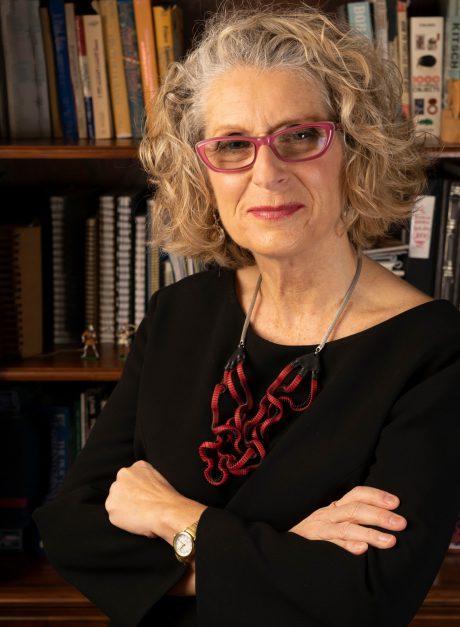
Consultant for fund development, board and organizational development, and strategic planning. Simone is recognized internationally as one of the most thoughtful, inspiring, and provocative leaders in the nonprofit / NGO sector. She works with all types and sizes of organizations. Joyaux presents top-rated workshops all over the world and is a faculty member for the Masters Program in Philanthropy and Development at Saint Mary's University of Minnesota. Her two books receive rave reviews.
|
|
PRONUNCIATION
|
Simone Joyaux See-MUN Zha-WHY-oh Don't worry about mispronouncing it. I'm not offended.
|
|
| Simone's Blog: Professional Tips |
| Building the best board |
| Write the job description first |
First your organization must adopt the job description for the board. There's no personal opinion involved in writing this job description. And the role of the board doesn't change depending upon the type or size of your organization. Corporate governance is corporate governance. The board is legally and ethically accountable for the health and effectiveness of the organization. Corporate governance is a collective act and only happens when the board is together, whether physically or virtually. The board's job description defines the scope of authority and key functions in corporate governance. Together - operating as a unit - the board carries out that job description at board meetings. Start with my board job description. Modify the language for your organization. Organize the elements differently. All that is fine. But the general content - the key concepts - remain the same for any board.
| |
|
| Simone's Blog: Pet Peeves |
| Today is tough love day. |
| Maybe your organization should close? |
Should every day be tough love day? Probably not. Some days should be for whining. Some days for celebration. Some days are just getting by days. But tough love day has to happen, too. That's when you face the truth, the harsh truth, if harsh it is. Tough love day is when you stop whining, quit complaining, and figure out if you can do what it takes to produce a decent organization. If you cannot do the minimum required.... the minimum required for quality service, the minimum required for quality corporate governance, the minimum required for quality professional development, the mimimum required for quality fund development.... Then you should close. Your clients and board members and staff and donors deserve some level of quality. None of them is more important than the other. On tough love day, face this: If you cannot do the minimum required for good fund development -- and you need donors to exist -- then close.
| |
|
| Simone's Blog: Professional Tips |
| Do you talk well in your organization? |
| Conversation is a core business practice. |
Conversation is better than reporting. Conversation is more useful than updates. Asking meaningful (and open-ended) questions stimulates good conversation. Asking cage-rattling questions produces even deeper and more important conversation. All this together helps you and your organization learn and change. And learning and change is what it takes to be a healthy and effective organization. So what's the conversation like in your organization? How does your boss support meaningful and cage-rattling questions that nurture genuine and candid conversation? And how about your board? What happens there? Check out all the questions on in my books and on my website.
| |
|
|
|
| |
|
|
|
Copyright © 2005-2010, Joyaux Associates, 10 Johnson Road, Foster, RI 02825 Phone: 401-397-2534, Fax: 401-397-6793, Email: spjoyaux@aol.com
|
|
|
|
|